The best accounting software for small businesses in India in 2026 are TallyPrime, Zoho Books, Vyapar, Busy, Marg ERP, myBillBook and RealBooks. The right choice depends on whether you want cloud or desktop, how much inventory you carry, and how tightly you need GST, e-invoicing and TDS handled. For most Indian SMBs, Zoho Books (cloud-first) and TallyPrime (desktop standard) are the safest starting points.
Good accounting software does more than record transactions – it keeps you GST-compliant, speeds up collections and gives you a real-time view of cash. This guide compares the leading options for Indian small businesses and shows you how to pick. If you are also evaluating broader systems, see our guide to the top ERP software companies in India.
Key takeaways
- Zoho Books and TallyPrime lead for most Indian SMBs; Vyapar and myBillBook suit micro-businesses, while Busy and Marg fit trading and distribution.
- GST returns, e-invoicing and e-way bills are now table stakes – not premium add-ons.
- Cloud accounting wins on remote access and CA collaboration; desktop still wins on offline control and one-time pricing.
- Inventory depth is the biggest differentiator between retail and service-business needs.
- Pick on compliance fit and ease of use first; price is secondary at SMB scale.
Why small businesses need dedicated accounting software
Running a business on spreadsheets works until it does not. Manual books mean missed GST deadlines, slow invoicing, and no clear view of who owes you money. As soon as you cross a handful of monthly invoices or start carrying stock, dedicated accounting software pays for itself.
For Indian SMBs the compliance angle is decisive. GST returns, e-invoicing thresholds, e-way bills and TDS all carry penalties for errors. Software that automates these turns compliance from a monthly scramble into a background task, while giving you dashboards for cash flow, receivables and profitability.
- Faster cash collection – automated invoices, payment links and reminders shorten your receivables cycle.
- Fewer compliance errors – GST and TDS are calculated and filed from the same data.
- Real-time visibility – know your bank balance, dues and profit without waiting for month-end.
- Clean audits – every entry is traceable, which keeps your CA and any assessment smooth.
What to look for in SMB accounting software
Score each option against the six essentials that matter most for a GST-ready small business in India:
If a tool cannot demonstrate GST filing and bank reconciliation on your own data during a trial, treat that as a red flag.
Best accounting software for small businesses in India (2026)
Here is how the leading platforms stack up for Indian SMBs. Pricing is typically annual per company or per user; confirm current plans with the vendor.
| Software | Best for | GST & e-invoicing | Inventory | Deployment |
|---|---|---|---|---|
| Zoho Books | Cloud-first small businesses | Yes | Good | Cloud |
| TallyPrime | Established SMBs & CAs | Yes | Strong | Desktop (+ cloud add-on) |
| Vyapar | Micro & small retailers | Yes | Good | Desktop + mobile |
| Busy | Trading & distribution | Yes | Strong | Desktop |
| Marg ERP | Pharma, retail & distribution | Yes | Strong | Desktop |
| myBillBook | Shops & small traders | Yes | Basic | Mobile + cloud |
| RealBooks | Growing SMBs wanting cloud | Yes | Good | Cloud |
Zoho Books – best for cloud-first small businesses
Zoho Books is a modern, cloud-based accounting platform with strong GST features, automated workflows and a clean interface. It connects neatly with the wider Zoho ecosystem, including CRM and inventory, which makes it ideal for service businesses and digitally-run SMBs that want anywhere access for the team and their CA.
TallyPrime – best for established SMBs and CA workflows
TallyPrime remains the default for a huge share of Indian businesses and their accountants. It is fast, reliable and deep on inventory, GST and statutory reporting. The desktop model suits firms that prefer offline control and one-time licensing, with cloud access available as an add-on.
Vyapar – best for micro and small retailers
Vyapar is a simple, affordable billing-and-accounting app popular with shopkeepers and small traders. It handles GST invoices, basic inventory and payment reminders on both desktop and mobile, making it a practical first step up from manual books.
Busy – best for trading and distribution
Busy is built for trading, wholesale and distribution businesses that need strong inventory, multi-godown stock and detailed GST handling. It is a robust desktop platform for firms whose accounting is driven by stock movement.
Marg ERP – best for pharma, retail and distribution
Marg ERP is widely used in pharmaceutical distribution, retail and FMCG, with deep inventory, batch and expiry tracking. For inventory-heavy verticals it offers industry-specific features that generic tools lack.
myBillBook – best for shops and small traders
myBillBook is a mobile-first billing and accounting app aimed at small shops and traders. It keeps GST billing, basic stock and collections simple, and is a good fit for owners who run the business from their phone.
RealBooks – best for growing SMBs that want cloud
RealBooks is a cloud accounting platform suited to growing businesses with multiple branches or cost centres. It offers solid GST, project-wise accounting and remote collaboration for firms outgrowing single-user desktop tools.
GST and e-invoicing: the compliance baseline
Any accounting tool you choose in 2026 must treat GST as core, not optional. That means generating GST-compliant invoices, preparing GSTR-1 and GSTR-3B data, supporting e-invoicing where your turnover requires it, and producing e-way bills for goods movement. The best tools validate GSTINs, apply the correct tax rates automatically, and flag mismatches before you file.
TDS is the other half of the picture. Software that computes and tracks TDS alongside GST keeps your statutory filings consistent and your books audit-ready. When compliance is generated from the same transactions you already record, you remove an entire category of manual error.
Cloud vs desktop accounting: which is right for you?
Cloud tools such as Zoho Books and RealBooks give you anywhere access, automatic backups and easy CA collaboration, with a predictable subscription cost. They suit distributed teams and owners who travel. Desktop tools such as TallyPrime, Busy and Marg offer offline reliability, fast data entry and one-time licensing, which appeals to firms with a single office and a preference for local control.
There is no universally correct answer. Choose cloud if remote access and collaboration matter most; choose desktop if offline speed, data ownership and one-time cost are your priorities. Many vendors now offer hybrid options, so you are rarely locked into one model permanently.
Common accounting software mistakes to avoid
Even with good software, small businesses trip over the same issues. The most common is treating the tool as a billing machine while ignoring reconciliation, so the books slowly drift away from the actual bank balance. Another is delaying data entry until filing week, which almost guarantees errors and a last-minute scramble.
A few more mistakes are worth calling out before you commit:
- Skipping bank reconciliation – unreconciled accounts hide duplicate entries and quietly distort your profit.
- Sharing one login – everyone using a single account destroys your audit trail and your security.
- Choosing on price alone – the cheapest tool is expensive if it cannot file GST correctly or grow with you.
- Ignoring backups – on desktop tools especially, a missing backup routine is a disaster waiting to happen.
Avoiding these is mostly discipline: enter data weekly, reconcile every month, use role-based access from day one, and confirm backups run automatically.
Accounting trends shaping Indian SMBs in 2026
Indian SMB accounting is changing quickly. Cloud adoption keeps accelerating as owners expect mobile access, real-time dashboards and online collaboration with their CA. AI-assisted features – auto-categorising transactions, flagging anomalies and drafting payment reminders – are moving from premium tiers into mainstream plans, cutting the manual work that used to eat HR and finance hours.
Compliance automation is the other defining theme. As GST and e-invoicing rules tighten, software that files directly and validates data in real time is becoming the baseline expectation rather than a differentiator. Embedded finance is rising too: payments, working-capital lending and expense management built into the accounting tool reduce the number of disconnected systems a small business has to run, and give owners a single source of financial truth.
How to choose accounting software for your business
- Match it to your model – inventory-heavy businesses need strong stock features; service firms can prioritise invoicing and time tracking.
- Confirm GST and e-invoicing – test real GST filing and e-invoice generation during the trial.
- Loop in your CA – pick a tool your accountant already supports to avoid friction at filing time.
- Check integrations – bank feeds, payment gateways and your CRM software should connect cleanly.
- Plan for growth – ensure the tool scales to more users, branches and an expense management workflow as you expand.
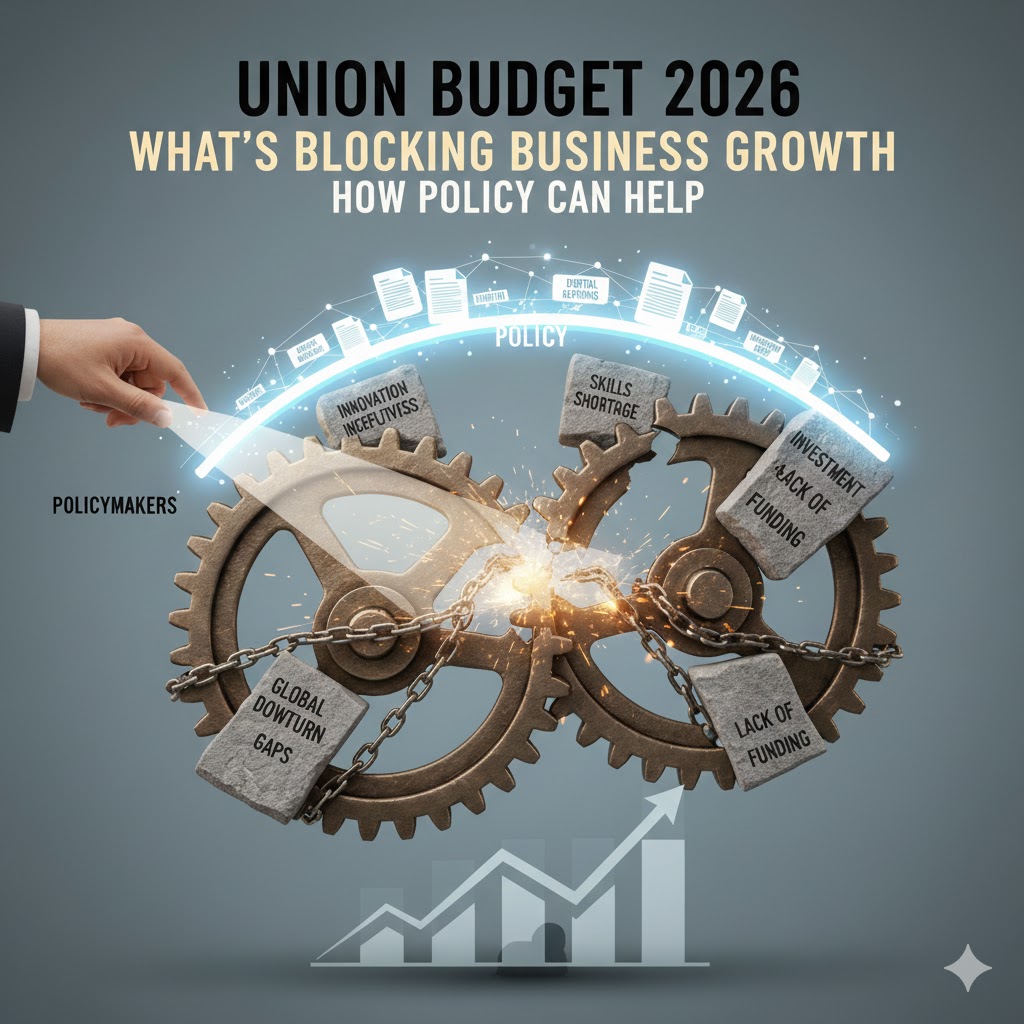
For broader financial context on the year ahead, our breakdown of the Union Budget 2026 and business growth is a useful companion read.
Frequently asked questions
Which accounting software is best for small businesses in India?
For most Indian small businesses, Zoho Books and TallyPrime are the best overall choices in 2026. Zoho Books leads for cloud-first, collaborative teams, while TallyPrime is the standard for firms that prefer desktop control and want broad CA familiarity. Micro-businesses often start with Vyapar or myBillBook.
Is Tally or Zoho Books better for a small business?
It depends on your priorities. TallyPrime is faster for offline data entry and deeply familiar to accountants, while Zoho Books offers anywhere access, automation and easier collaboration. Choose Tally for desktop control and Zoho Books for cloud flexibility.
Does the accounting software support GST e-invoicing?
Yes. All the platforms listed support GST-compliant invoicing, and the leading ones generate e-invoices and e-way bills where your turnover requires them. Always verify the current e-invoicing threshold and test the feature during a trial.
How much does accounting software cost for an Indian SMB?
Costs range from free or very low-cost mobile apps for micro-businesses to a few thousand rupees per year for desktop licences and modest monthly subscriptions for cloud plans. Final cost depends on users, modules and support; confirm current pricing with the vendor.
Can my CA access the same accounting software?
Yes. Cloud tools let you grant role-based access so your accountant can review and file remotely, and most desktop tools allow data sharing or a CA login. Picking software your CA already uses removes friction at filing time.
Is cloud accounting software safe for small businesses?
Reputable cloud accounting providers use encryption, regular backups and access controls that are usually stronger than a single office PC. Enable two-factor authentication and role-based permissions, and your data is generally safer in the cloud than on local storage.
Pick the tool that fits your business model and compliance needs, trial it on your own invoices, and bring your CA in early. Need the bigger financial-stack picture? Explore our guides to ERP software and CRM software in India.